
Interviews
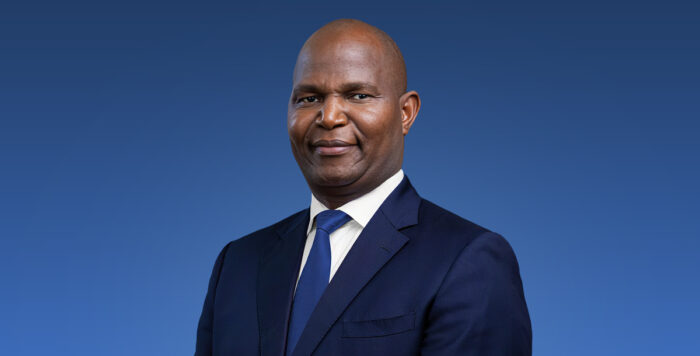
Interview with H.E. Daniel Francisco Chapo, President of the Republic of Mozambique
"Japan has been one of Mozambique’s most important development partners and its presence reinforces the importance of this initiative. We want to continue working together to strengthen friendship and cooperation, confident that this project will further solidify our economic relations."
30 July, 2026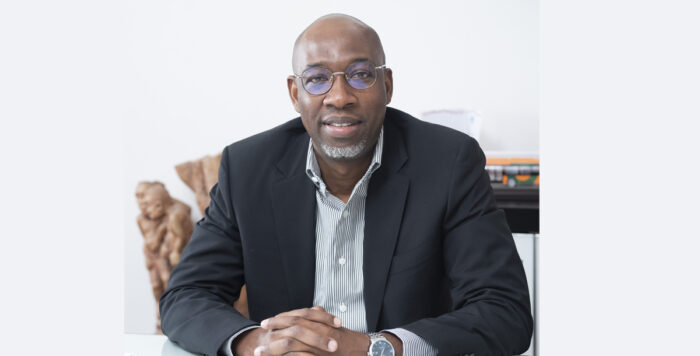
Interview with H.E. João Matlombe, Minister of Transport and Logistics, Mozambique
"Nacala, in particular, given its strategic position as one of the best deep water ports in the region, led us to sign, in December last year, an agreement among four countries, Mozambique, Malawi, Zambia and the Democratic Republic of the Congo, to develop the Nacala Corridor, namely for the construction of the Nacala railway line. line. This project spans approximately 1,500 kilometers."
30 July, 2026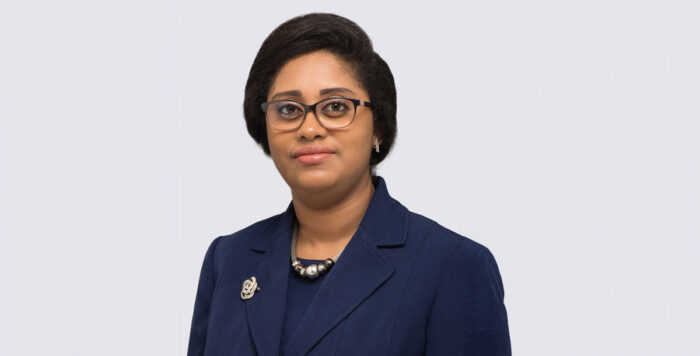
Interview with H. E. Carla Alexandra Oreste do Rosário Fernandes Louveira, Minister of Finance, Mozambique
"We are targeting single digit stability, which we have so far achieved. Inflation has remained below 4% per year and is stable. The exchange rate has also been stable and we maintain strong and sustainable levels of net international reserves by international standards, covering around four to five months of imports. We have also seen improvements in the current account balance. All of this falls within the scope of macroeconomic stability, one of our core pillars."
30 July, 2026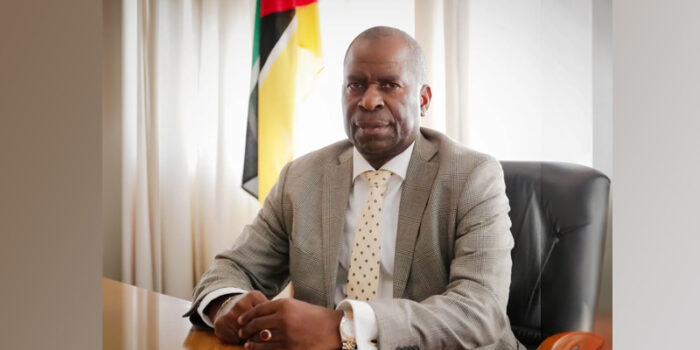
Interview with H.E. Estevão Pale, Minister of Mineral Resources and Energy, Mozambique
"We would like to see Japanese investment in all areas, with particular attention to midstream and downstream. We know that Japan and Japanese companies have great potential. They have excellence in engineering, precision work and the management of large industrial projects, with high standards of quality and competence."
30 July, 2026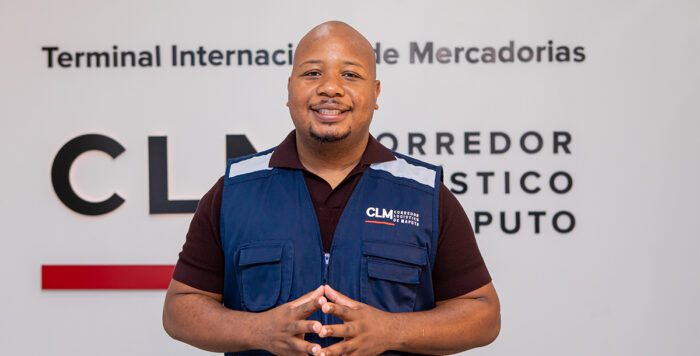
Interview with Clávio Macuácua, CEO, Corredor Logístico de Maputo (CLM), Mozambique
"Mozambique already has seaports, but dry ports play a crucial role in connecting the country internally and linking it to landlocked countries. There is a clear difference between a dry port and a seaport. A seaport handles cargo entry and exit, but space inside a seaport is extremely expensive. For that reason, cargo should be moved from the seaport to a dry port, where it can be handled, assembled, modified and prepared for final delivery."
30 July, 2026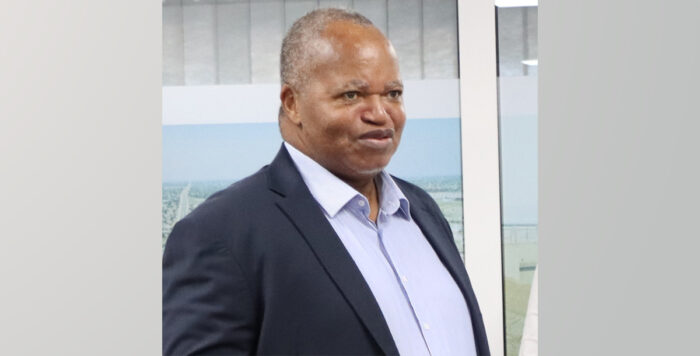
Interview with Prof. Ângelo Macuacua, Chairman, Fundo de Estradas, Mozambique
Mozambique’s classified road network is estimated at around 18,000 miles, yet only roughly a quarter is paved, while road transport carries more than 80% of national freight and passengers. How is Fundo de Estradas prioritising preventative maintenance versus expansion to strengthen reliability and reduce...
30 July, 2026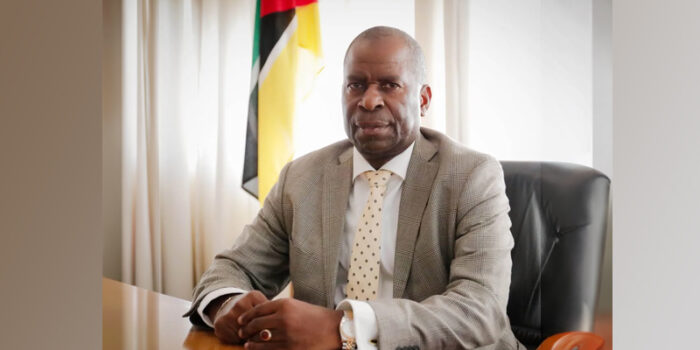
Interview with Manuel Soares, Chairman and CEO of Moza Banco Mozambique
"I believe that Mozambique is a country that has everything. We have gas, we also have oil, we have rare earths, we have coal — even though coal is disappearing from the global market, we still have it. And we have a lot of land and water. We should have more reservoirs than we currently do, but we have a huge amount of water and a lot of land. I think it makes much more sense for us to supply food to Japan from Mozambique than from Brazil, for example."
30 July, 2026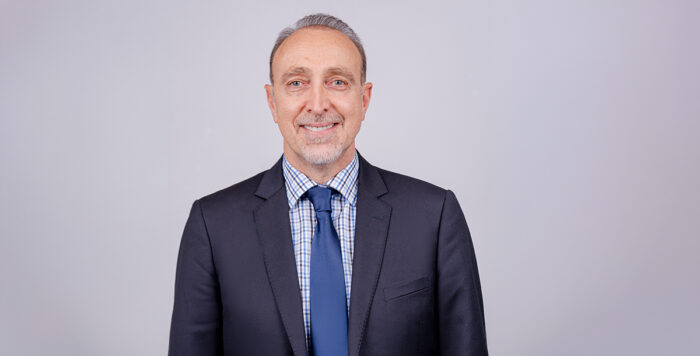
Interview with Dane Kondić, President and Chief Executive Officer Linhas Aéreas de Moçambique (LAM)
"We are the enabler and connector between people, business, commerce and industry. We are the glue that holds it all together, or the ingredient that brings it all together. Aviation has a huge catalytic impact on the economy, both in terms of direct and indirect employment and the value chain it creates."
30 July, 2026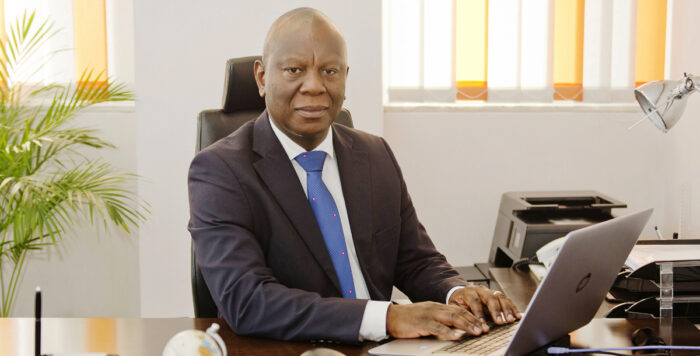
Interview with Helder Chambisse, Chairman & CEO, Petromoc
"Investment in Mozambique does not look only at Mozambique, but also at the region. Investing in Mozambique allows gains in scale for investors because it also provides access to the region. Specifically for Petromoc, we still have several projects, not only for increasing capacity but mainly for modernizing our infrastructure."
30 July, 2026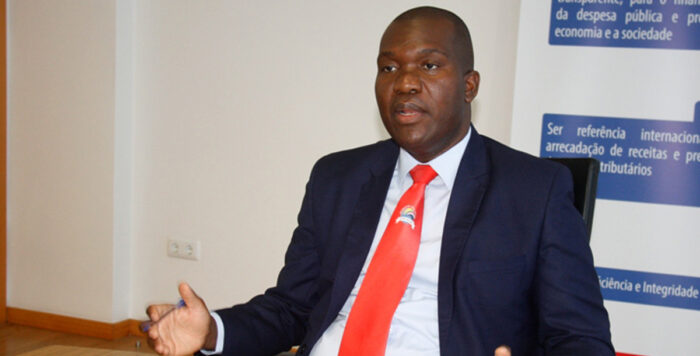
Interview with Aníbal Joaquim Mbalango, President, Autoridade Tributária de Moçambique
"We have an Extractive Industry Taxation Unit, a team dedicated exclusively to the extractive sector, in particular the LNG and natural gas industry. This team already has substantial knowledge to meet the demands that are coming, both in terms of auditing, risk analysis and compliance verification."
31 July, 2026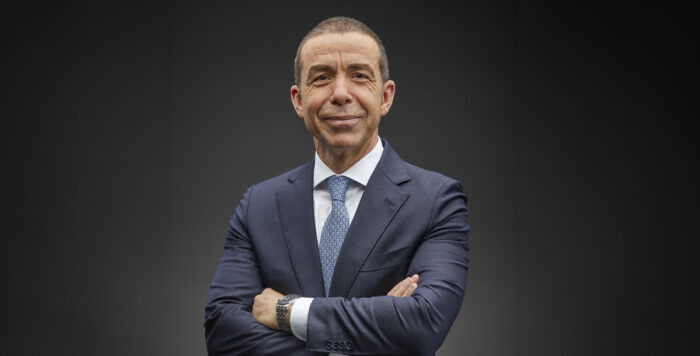
Interview with Pedro Carvalho, CEO of Absa Bank, Moçambique
"Since the 1990s, several major Japanese companies have established a presence in Mozambique. Notable examples include Mitsubishi and Mitsui, both of which have invested in the country for decades and are expected to continue doing so. These companies have developed a deep understanding of the local market, including its risks and opportunities, and have built the confidence to sustain and grow their operations."
31 July, 2026
